
 Türkçe
 English
 German
 Russia
 Arabic
 Chinese
 Spanish
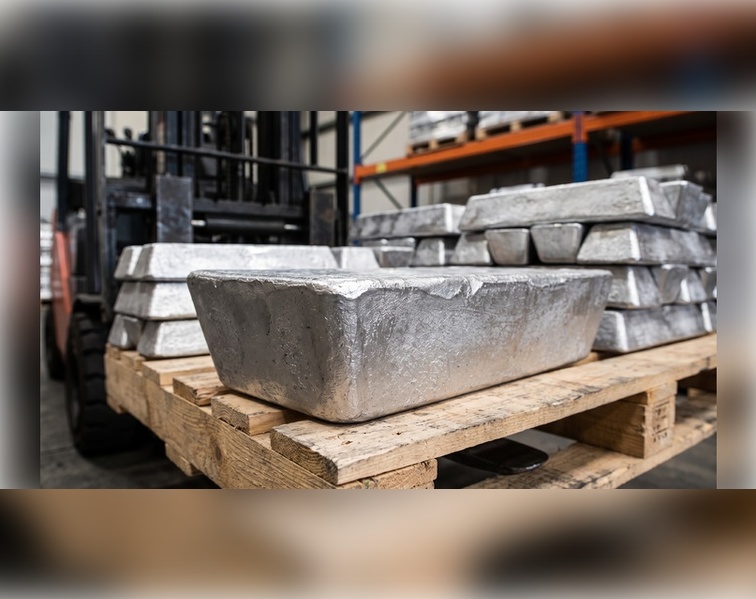
Europe’s aluminium industry produced more metal in the first half of 2026, but the numbers hide a more complicated story. Primary aluminium output rose 4.9 per cent year on year to 3.648 million tonnes, while metallurgical-grade alumina production fell 1.8 per cent to 2.846 million tonnes.
Alumina production was hit by energy and logistics disruptions linked to the Middle East conflict, while aluminium output benefited from smelter restarts. By Q2, however, alumina production had started to recover.
February exposed the alumina problem - June showed the recovery
Alumina production fell from 482,000 tonnes in January to 414,000 tonnes in February, a 14.1 per cent month-on-month decline. But the setback did not last.
March brought a 16.9 per cent rebound to 484,000 tonnes, followed by 466,000 tonnes in April and 482,000 tonnes in May. Then came June, when production jumped 7.5 per cent to 518,000 tonnes, the highest monthly level of H1.
The H1 figures reveal the most striking imbalance in the regional aluminium chain.
Europe, including Russia, produced 2.846 million tonnes of alumina, against 3.648 million tonnes of primary aluminium. At the industry benchmark of around 1.9 tonnes of alumina required for every tonne of aluminium, producing that volume of aluminium would require approximately 6.93 million tonnes of alumina.
Against reported regional alumina production of 2.846 million tonnes, that leaves a theoretical gap of around 4.09 million tonnes.
In other words, the reported domestic alumina production could theoretically support only around 41 per cent of Europe's primary aluminium output in H1 2026 at a 1.9:1 conversion ratio.
The gap does not mean Europe physically lacks the alumina needed to produce its aluminium. Rather, it shows that a large part of the alumina feeding the region's smelters must come from sources outside the reported regional production figure, such as imports or existing inventories.